

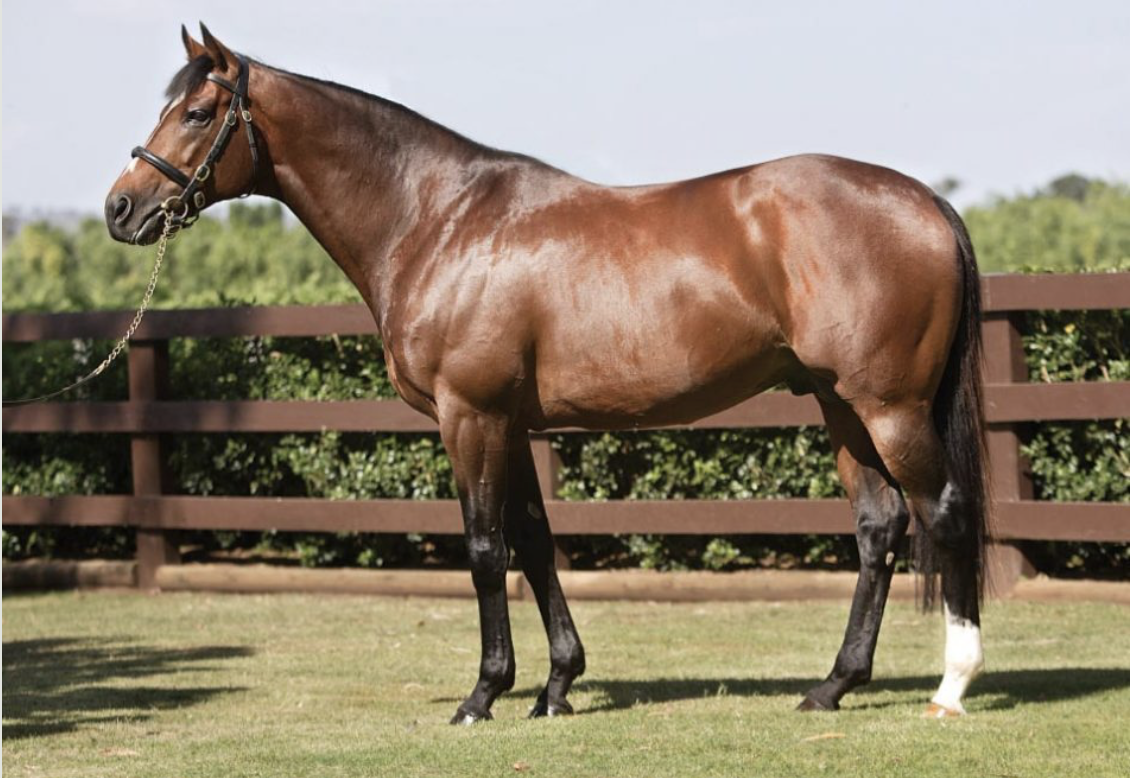
Image 1: The late Galileo (Stallion) at Coolmore Stud (Coolmore 2021)
Terminology
Gelding or castration is the surgical removal of the colt’s testicles. Naturally this is a concern for the horse’s owners; Will my horse be a champion and have a stud career?
The answer to this may be complex and considerations need to be given to the individual’s pedigree and the ability he has shown prior to making any decisions.
Discussion with your trainer and bloodstock agent is advised, keeping in mind a colt needs to achieve elite success on the racecourse and to do that the colt must be co-operative in the training process. One needs to keep in mind that there have been many champion racehorses that raced as geldings through the ages and many of these horses would not have reached such success as colts. In most cases a horse will still reach his athletic potential if gelded and is more likely to have a prolonged racing career.
10 Reasons to geld your colt
Some colts are far more precocious than others and their male hormones dictate their behaviour and development. There are several reasons to geld a colt:
Colts can become aggressive towards people and /or other horses.
Colts may become sexually excited and uncontrollable when in contact or sight of other horses in particular mares and fillies.
Colts can become uncooperative in the daily routine of stable life and as such become difficult to train.
Should a 2-year-old or 3-year-old colt become injured and need a prolonged spell, gelding may be indicated as with long spells colts can become heavy and develop male behaviour making their reintroduction to stable routine difficult.
Excessive muscle development which is dictated by two factors:
A. Work and exercise build up muscle - this is good muscle associated with effort and training.
B. Hormones dictate where muscle develops - such muscle is not generally useful in performance. This type of muscle development makes them heavy in their fore quarters and neck and as such “loaded in front”. This hormone dictated development can be a problem as the horse may become less athletic, if they become muscle bound. Affected individuals carry an unnecessary load over their fore quarters, so while they may become physically strong they can lose athleticism (speed).
A visual example is by comparing the two images of Galileo and Might and Power in this blog. You can clearly see how Galileo, a stallion, has more muscular development in his neck and chest than Might and Power, a gelding.
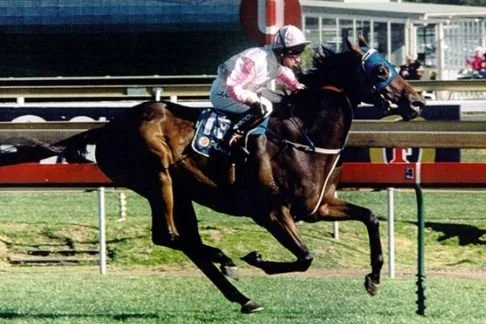
Image 2: G1 and Melbourne Cup 1997 Winner, Might and Power (Gelding)
(Image source: racenet.com.au 2020)
Other Considerations
Some colts have other issues which need to be considered.
6. Horses with poor forelimb conformation may also benefit from gelding by reducing the load over the forelimbs.
7. Large testicles and “pinched” testicles are often purported to be a reason for gelding and may have merit but are generally over rated.
8. Some colts have one or two undescended testicles and are classified as “rigs” or cryptorchids. These colts can have aggressive tendencies as the levels of testosterone are often elevated. This is not always the case but worth consideration.
9. Another reason for gelding is that as horses in training do require “spells” on agistment farms. Colts generally require to be in paddocks on their own and they are more likely to “challenge” fences to get in with others, and so more susceptible to becoming injured. As such gelding may be considered for convenience’s sake.
So when making this decision be guided by the advice, predominantly, from your trainer as they know your horse best.
The Gelding Procedure
The uncomplicated gelding surgery is generally done in the field. Performed either as a standing castration or under a short intravenous general anaesthetic. There are several techniques and are the personal preference of the designated veterinary surgeon. Open or closed castration and various techniques and instrumentation are used.
Feel free to discuss this with your veterinarian. The period recommended before resuming training after an uncomplicated castration is generally 4-6 weeks. This depends on the reason for gelding, if the colt is being gelded for behavioural reasons, the recommended period before resuming racing may be longer.
Disclaimer: The information provided in this blog is general in nature and intended for educational purposes only. It does not constitute veterinary advice and should not be used as a substitute for individual examination and diagnosis by a qualified veterinarian. Every horse is different, and treatment recommendations can vary based on individual circumstances. If you have concerns about your horse's health, please contact Centennial Park Veterinary Practice or your local veterinarian directly. While we make every effort to ensure the accuracy of the information provided, Centennial Park Veterinary Practice accepts no liability for any loss, injury, or damage arising from reliance on this content.