

As you may already know, sports nutrition plays a vital role in optimising the performance of any athlete. So, with horses, this is no different. There are different stages of a horse’s career that determines its nutritional requirements, so firstly let us go through this.
Spelling is when your horses are having a break in a paddock, either resting, recovering from an injury, or waiting for their growth plates to close (an indication they have all but fully grown and are more able to withstand the biomechanical forces exerted on their skeleton).
Pre-training is when horses start training after a spell, usually at the same facility they spelled, bringing them back to a suitable level of fitness prior to heading back into full work with their racehorse trainer at the track.
In-work is when horses are in full training mode to race.
Box rest is when horses are injured, certain injuries require rest in a confined area preventing them from freely running and further injuring themselves.
Horses in full work require premium nutrition to ensure the optimisation of energy availability which is essential to maximise performance by supplying the required nutrients. Optimal nutrition and timing of feeds is also important to get the adaptations from training, increasing the speed of recovery and refuelling. When a horse is in full work their diet generally consists of two hard feeds (feeds that include grain) morning and night and hay ad lib or generous amounts at least twice per day.
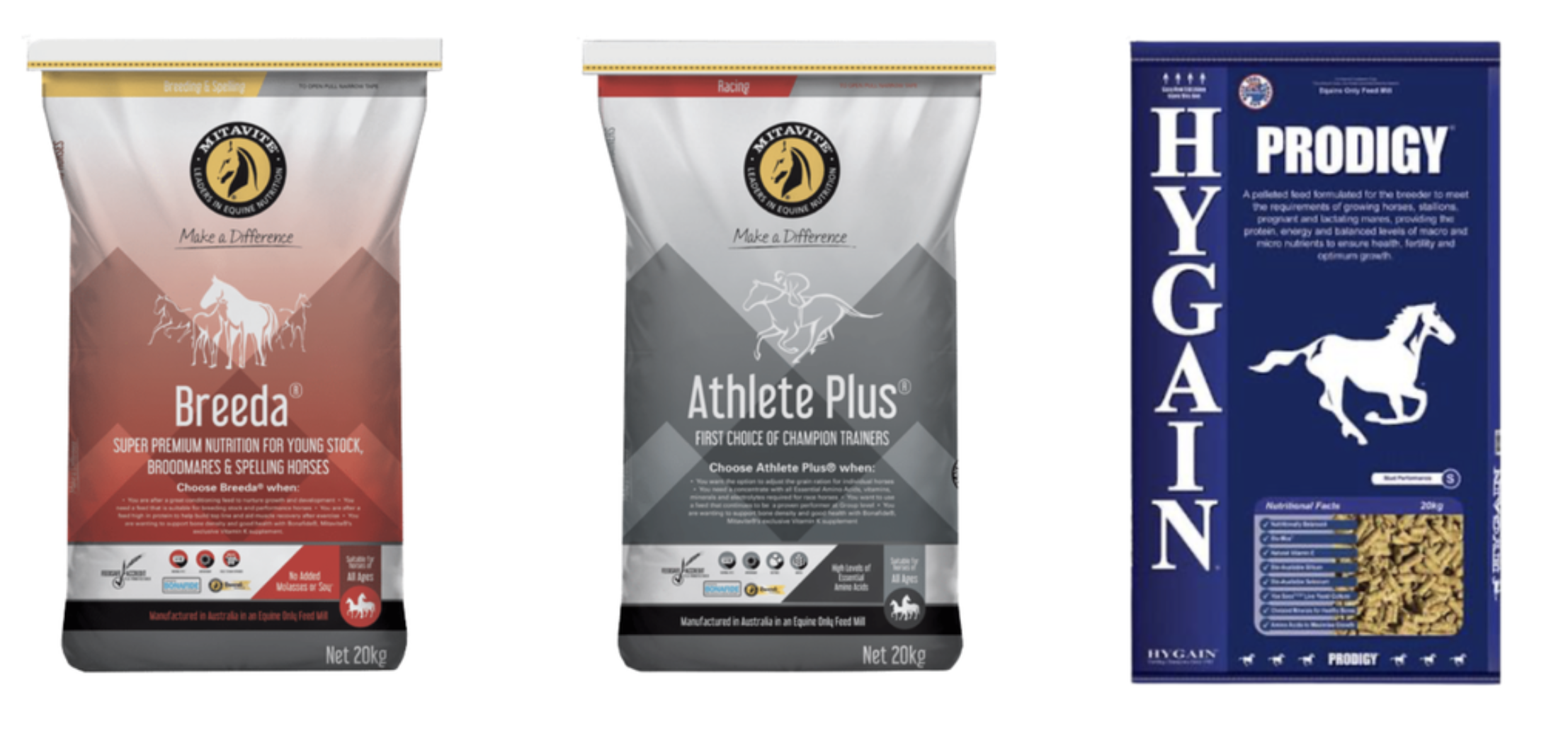
Some trainers give their horses a small hard feed early in the morning prior to morning exercise. A horse’s appetite is a very useful indicator as to a horse’s response to training and their state of wellbeing. If a horse leaves any feed overnight this is commonly the first indication that “all may not be well” and the trainer will need to investigate the reason. Temperatures are generally checked before work and may give an indication of why food has been left. If horses eat all their feed (“licked the bin”), then the amount may need to be adjusted so that they are contented. Some horses eat their feed very quickly while others take their time.
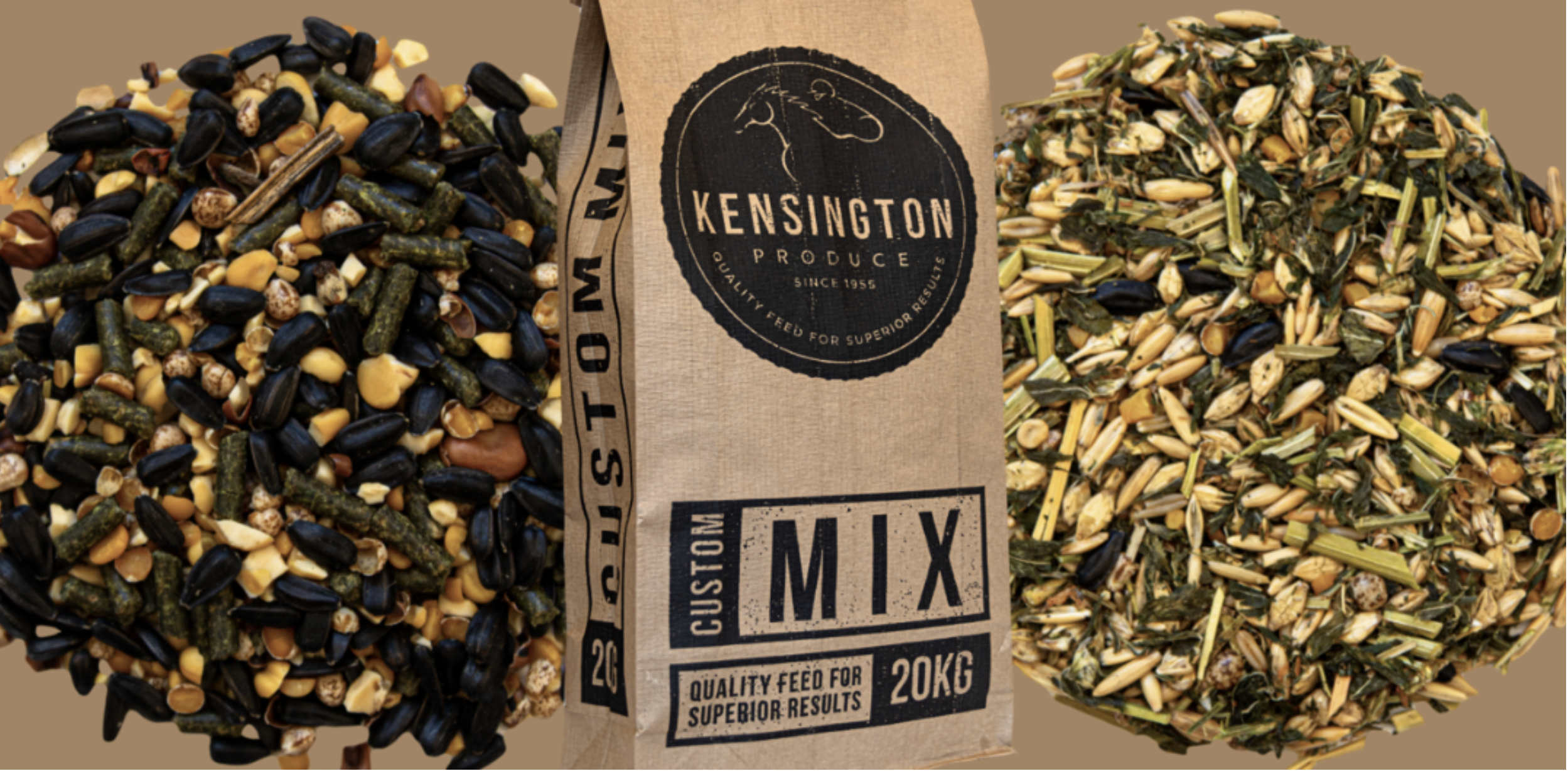
Hard feeds will usually consist of white chaff (oaten or wheaten chaff), green chaff (lucerne chaff), grains & seeds (i.e. corn, oats, barley, sunflower seeds, lupins) these may be in a performance blend or are added separately, powders (i.e. dolomite, Livamol, sulfur), oils (i.e. cod liver, flaxseed) and any additional supplements that trainer wishes to provide. Feeds may or may not be dampened with water or molasses water to reduce the dust in the feed and make it more palatable.
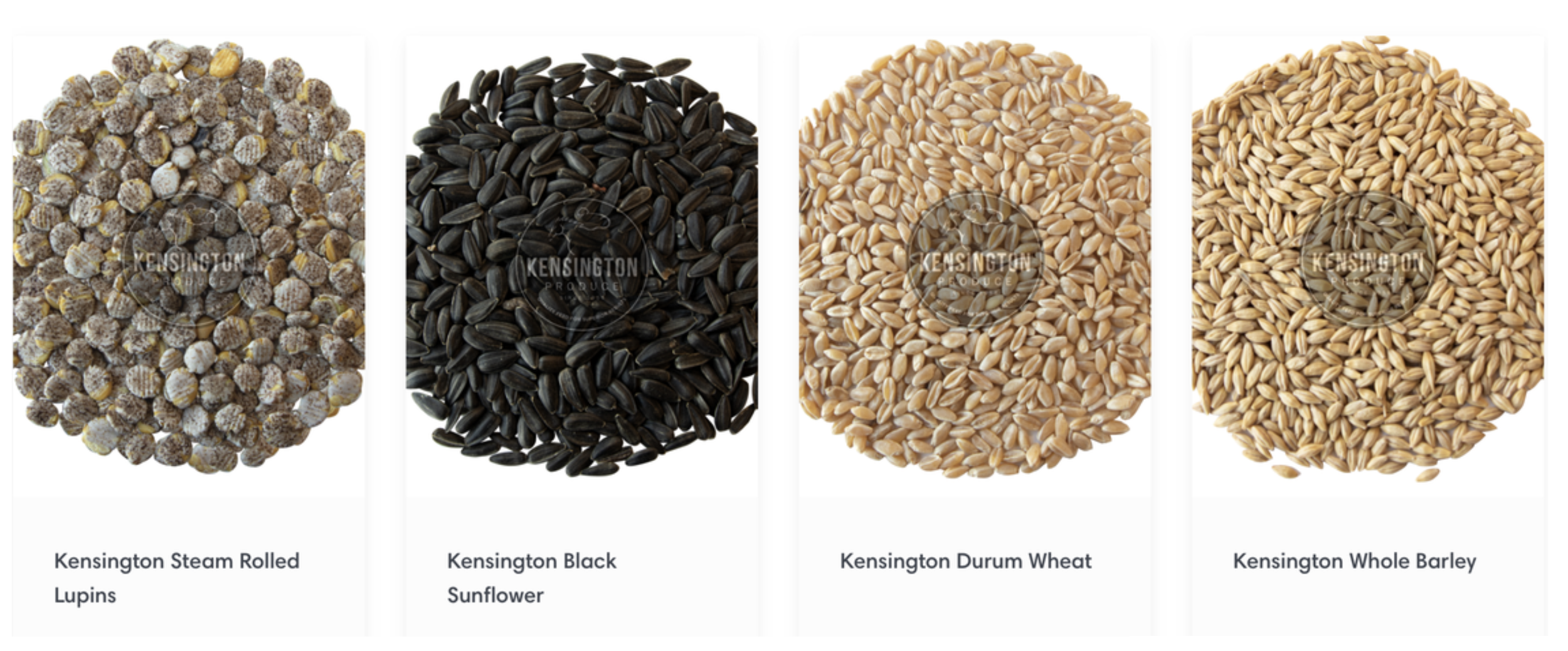
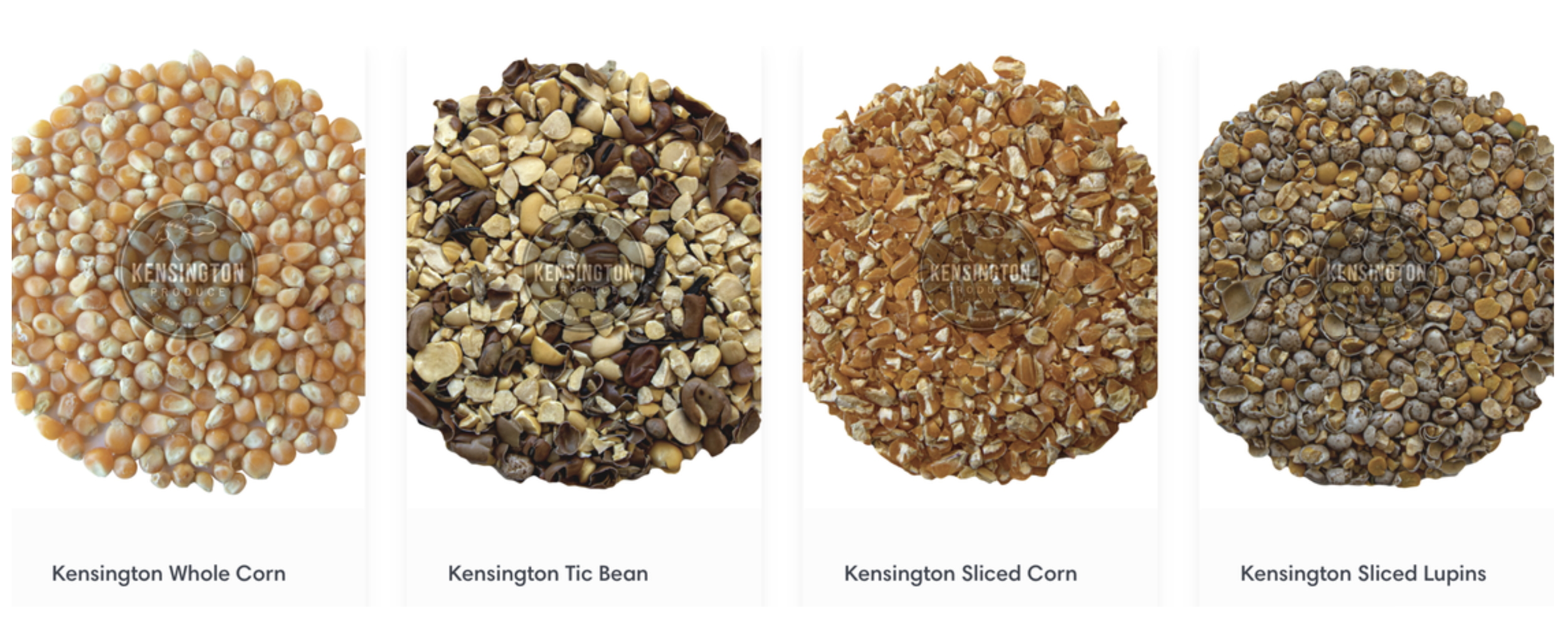
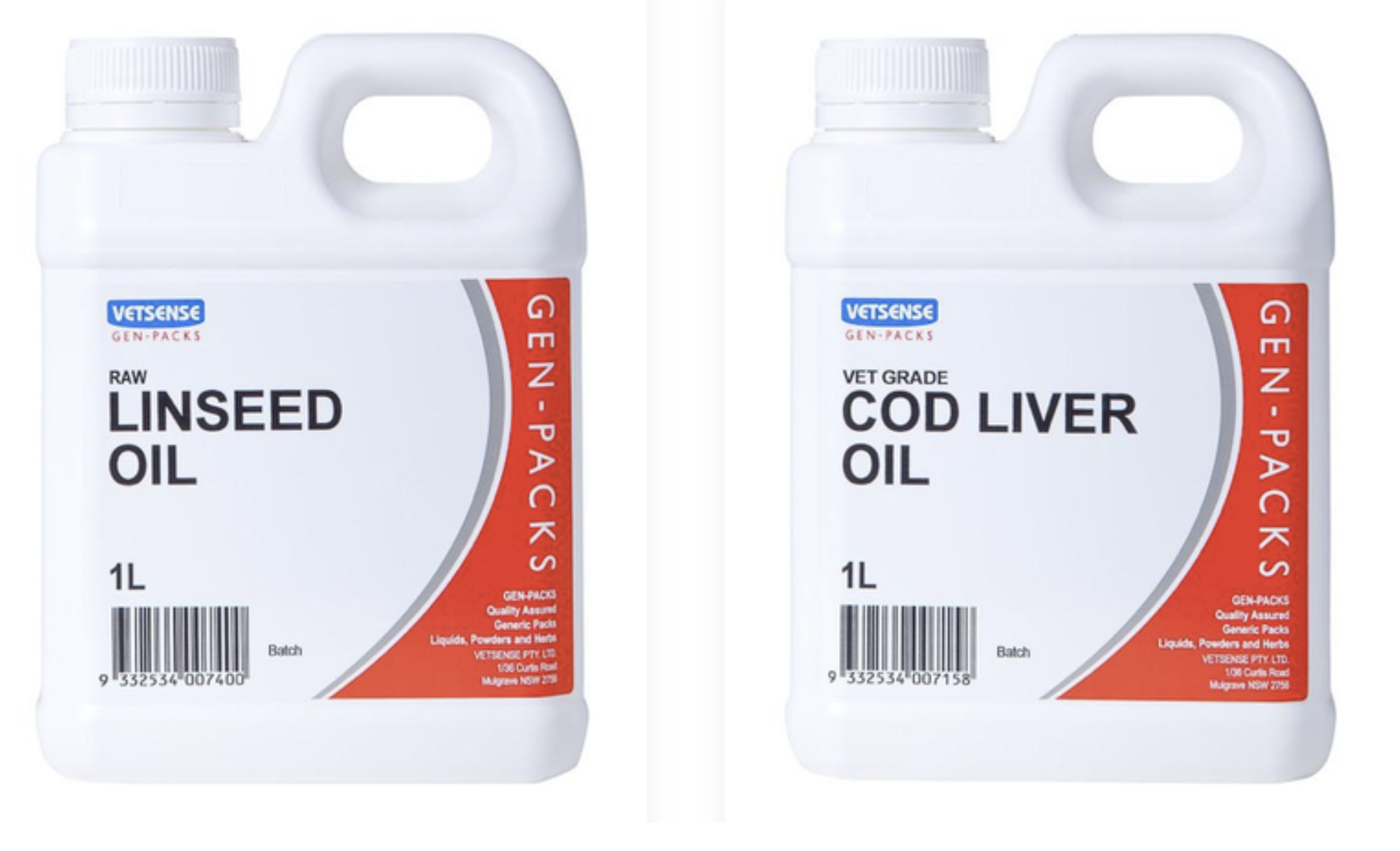
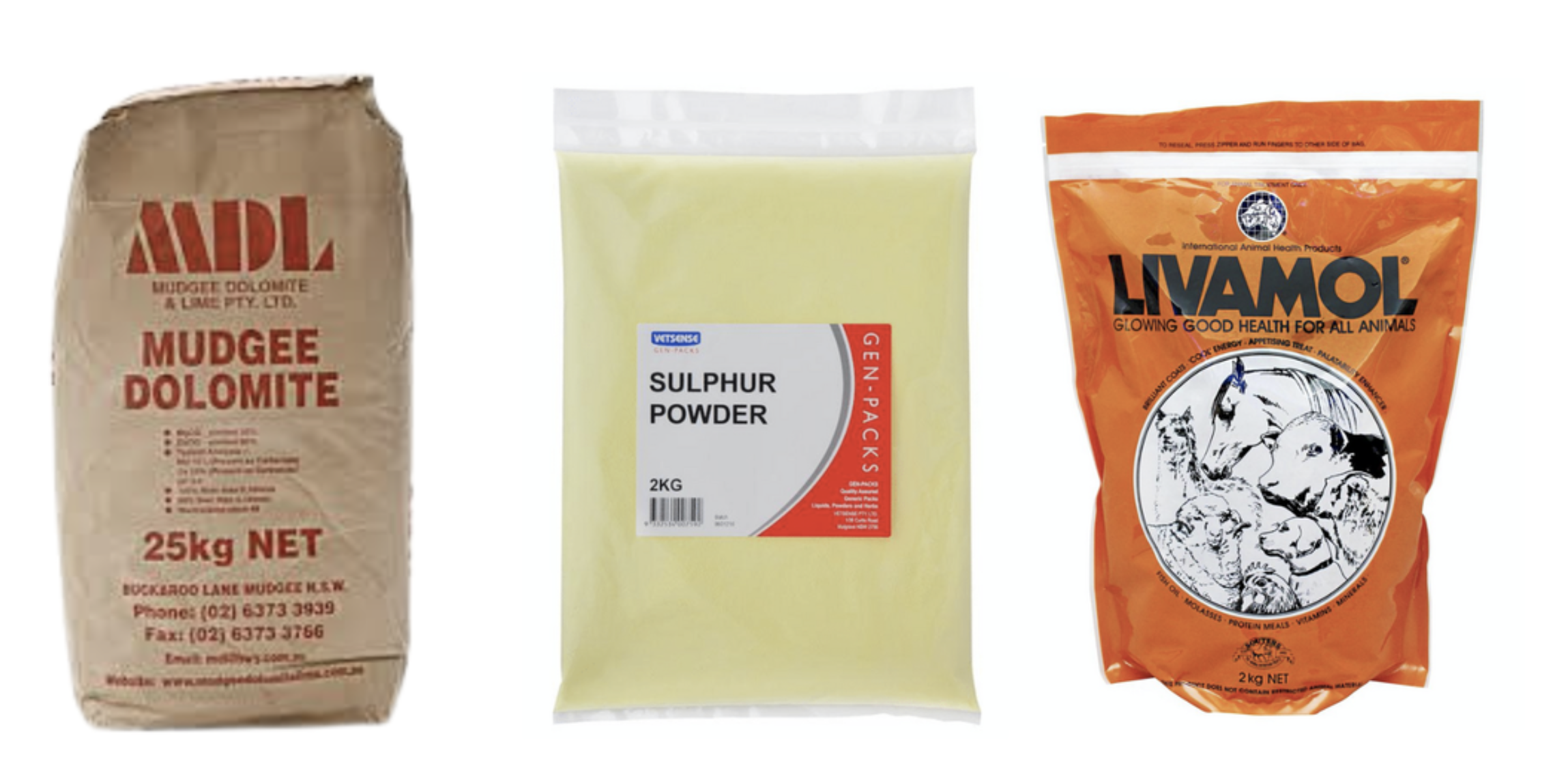
Images: Variety of grains, chaffs and supplements commonly fed to racehorses. Images taken from Kensington Produce’s website. A family owned feed produce company supplying racehorse trainers across Sydney and Melbourne since 1955.
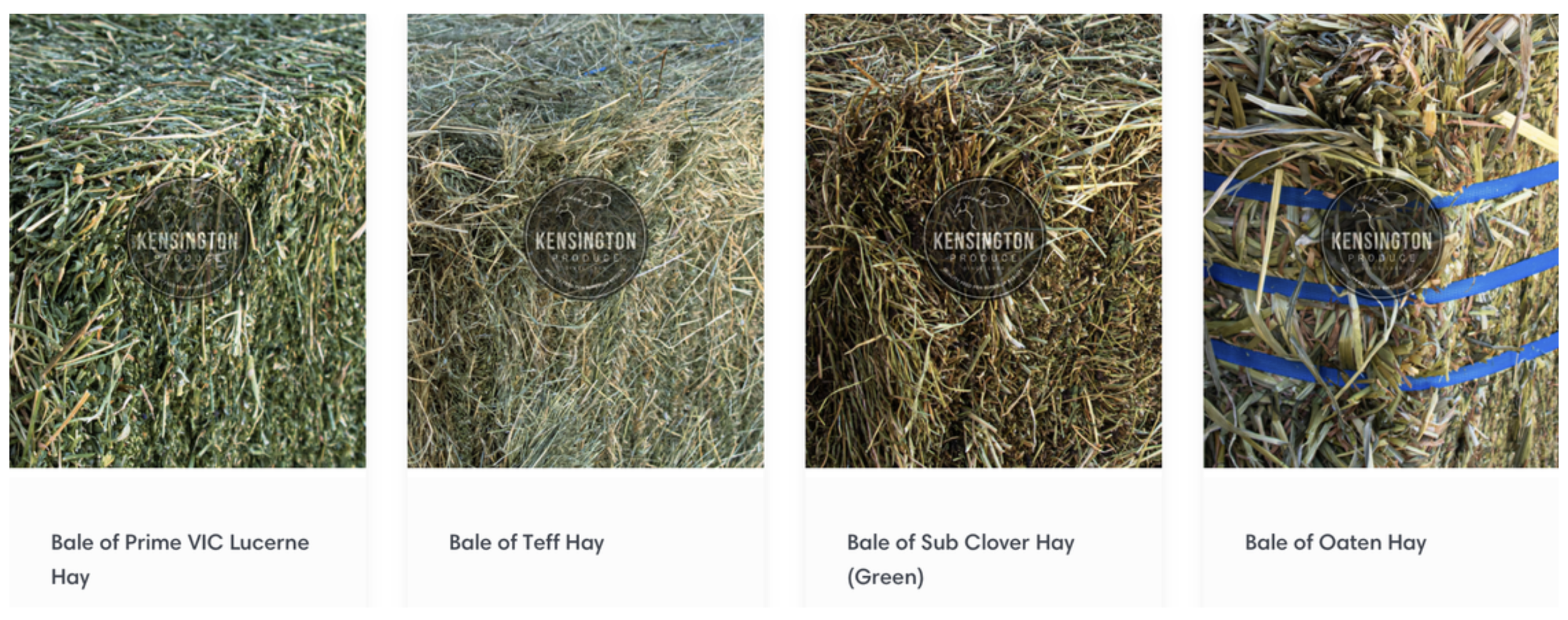
During the day the horses will be given hay also known as roughage. This may be lucerne, oaten, clover, wheaten or teff hay, as per the image below. This will depend on their trainer’s preference. Some hays are very rich in protein (lucerne up to 28%) so they are an excellent source of energy as well as roughage.
In the afternoon horses are given their evening feed which is generally a larger proportion than the morning feed depending on an individual trainer’s methods.
Race Day Nutrition
Race day nutrition slightly varies and will be determined by the timing of the race. On a race day your horse is generally given an easier trackwork. Horses are generally tolerant to long trips in horse floats to get to the races. Your horse will be given their morning feed before heading off for a day at the races.
After the races, your horse will be given a good drink of water and / or molasses water. Once home from the race day there will be an evening feed and hay prepared in their stable. Following race day, the stable vets may administer a recovery drench to the horse or in some cases an electrolyte paste is administered, this aids the horse’s recovery by replacing some of the electrolytes, minerals and amino acids that are utilised on race day.
Disclaimer: The information provided in this blog is general in nature and intended for educational purposes only. It does not constitute veterinary advice and should not be used as a substitute for individual examination and diagnosis by a qualified veterinarian. Every horse is different, and treatment recommendations can vary based on individual circumstances. If you have concerns about your horse's health, please contact Centennial Park Veterinary Practice or your local veterinarian directly. While we make every effort to ensure the accuracy of the information provided, Centennial Park Veterinary Practice accepts no liability for any loss, injury, or damage arising from reliance on this content.