

Equine Sports Medicine
As equine veterinarians we do not only see your racehorse if they are injured or ill. Like any high performance athlete, they work with a sports doctor alongside their trainers to minimise illness and injury, and maximise performance, adaptations from training and improved recovery.
Similarly, our team of equine veterinarians do this for your horse. Our philosophy is preventative sports medicine and nutrition strategies to improve your horse's recovery, training, growth and ultimately optimise their performance. One example is the use of Equine Racing Profiles.
What is an Equine Racing Profile?
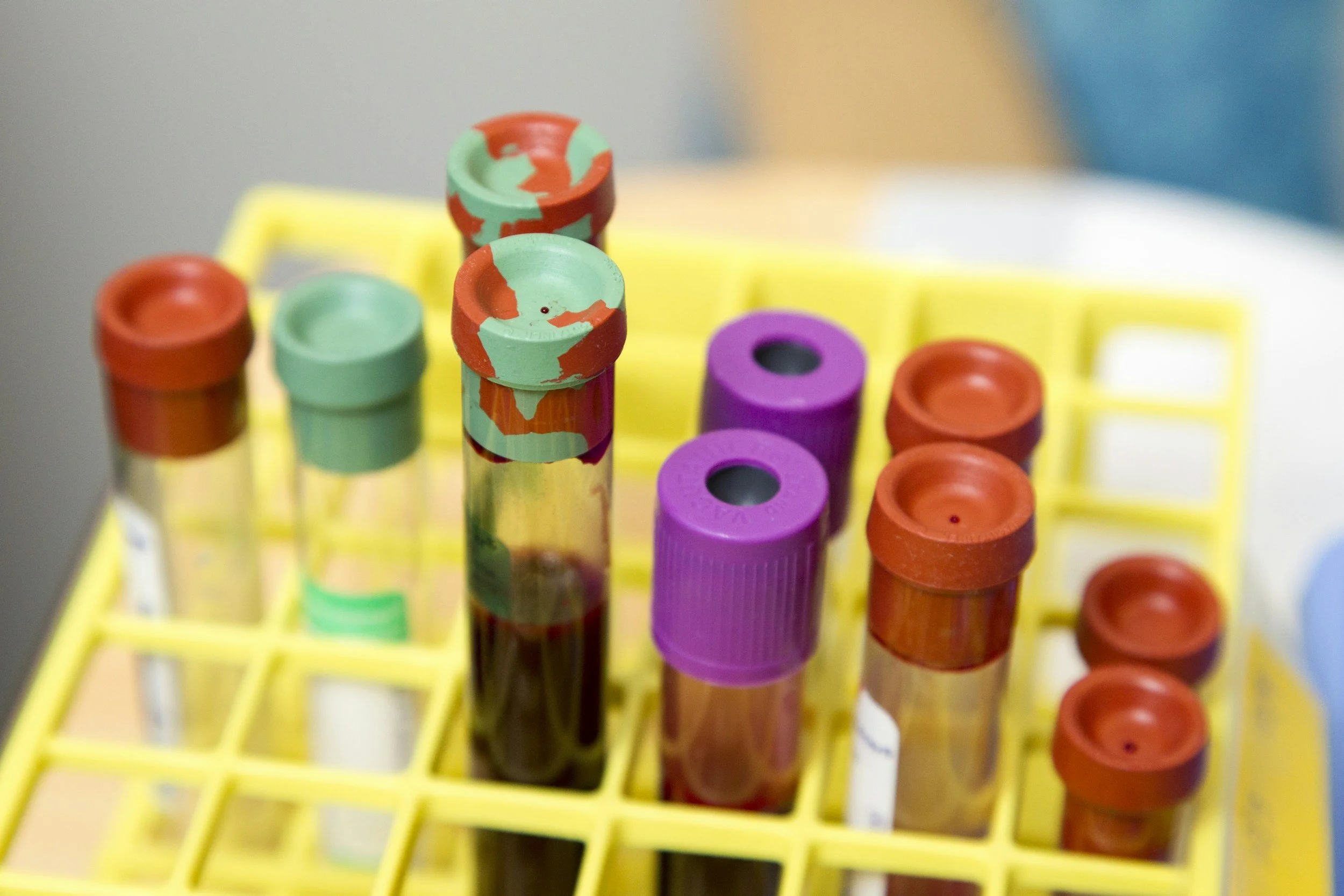
An Equine Racing Profile is a blood sample. Routine bloodwork can be a useful tool to establish baseline haematological reference values for individual horses in training and to look for indictors of health, fitness and performance. With the early detection of abnormalities, veterinarians can monitor progress and allow for early intervention. Therefore, blood samples are commonly taken in the lead-up to racing. Whilst the whole blood profile is analysed specific attention is given to the values for red blood cells, white blood cells, electrolytes, fibrinogen and muscle enzymes. The red blood cell picture is particularly important in determining how the horse is responding to its current exercise program. The results enable trainers to make adjustments to the exercise program so as to reach an ideal oxygen carrying capacity (VO2max) in the horse’s circulatory system.
Blood samples are also used in the diagnosis and monitoring of infectious or inflammatory disease. Serial blood samples allow the white blood cells and inflammatory markers such as Serum Amyloid A (SAA), Iron and Fibrinogen to be tracked alongside the horse’s clinical progress. This aids in assessing the response to treatment and indicates as to when the horse can return to normal training.
Disclaimer: The information provided in this blog is general in nature and intended for educational purposes only. It does not constitute veterinary advice and should not be used as a substitute for individual examination and diagnosis by a qualified veterinarian. Every horse is different, and treatment recommendations can vary based on individual circumstances. If you have concerns about your horse's health, please contact Centennial Park Veterinary Practice or your local veterinarian directly. While we make every effort to ensure the accuracy of the information provided, Centennial Park Veterinary Practice accepts no liability for any loss, injury, or damage arising from reliance on this content.